

A box that looks right can still be wrong. One wrong measurement can ruin the entire package. Many brands learn this only after damage or extra shipping fees appear.
Studies show packaging size errors increase shipping costs by up to 25%. oversized boxes raise dimensional weight. Undersized boxes cause product damage. Both lead to returns and wasted material.
Most sizing problems start with confusion. Brands mix inside and outside dimensions. They ignore material thickness. They forget inserts and padding. These small mistakes create big losses.
The solution is simple and repeatable. You need a clear method and the right order. You need to measure with purpose.
This guide explains how to measure Box Size correctly. You will learn step-by-step methods. Plus, you will understand the material impact. You will choose sizes that protect products, control costs, and improve packaging results.
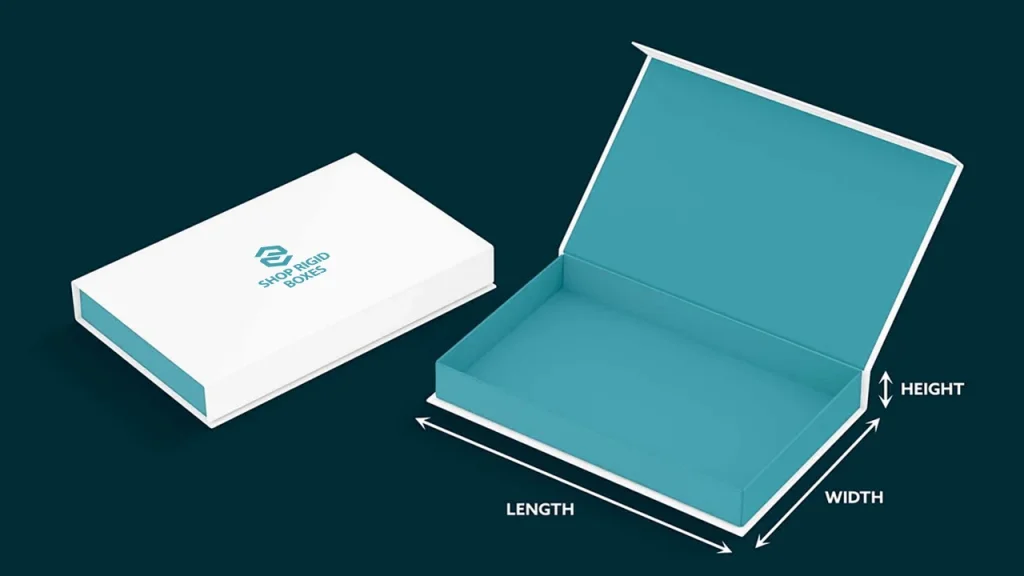
Measuring a box means knowing the space it truly offers. It describes the size of the box, not the item you plan to pack. The measurement focuses on the inner length, width, and height. These values show how much room is usable. Outer panels, folded flaps, and extra layers do not count.
Product size works differently. A product may look small, but it still needs space around it. Padding, inserts, and movement room change the final requirement. This gap is often overlooked.
Accurate measurements control costs and performance. A box that is too large increases shipping and material use. A box that is too tight causes damage and delays. Correct sizing improves fit, protection, and overall packaging efficiency.
Measuring a box follows a fixed process. Each step matters. The same method applies to all packaging types. This approach works as a reliable box size guide.
Use a ruler for small boxes. Use a tape measure for larger cartons. Place the box on a flat surface. Keep the box empty during measurement. Empty boxes give accurate results.
Open the box fully. Measure only the usable space. Ignore outer panels and folded flaps. Inner space defines real capacity. This rule applies to all box dimensions.
Start with the longest side. Record it as length. Measure the shorter side next. Record it as width. Measure from the base to the top last. Record it as height. Write dimensions as L × W × H. This format matches industry standards. It aligns with the length, width and height of a box practices.
Choose inches or centimeters. Stay consistent. Do not mix units. Mixed units cause production issues. Consistency prevents costly errors.
Allow space for padding and inserts. Leave room for product movement. Add extra allowance for heavy duty items. Thicker materials reduce inner space. Proper allowances protect products and ensure smooth handling.
You should measure inside dimensions in most cases. Inside measurements show usable space. They define how a product fits. Manufacturers rely on inner size for production accuracy.
Outside dimensions serve a different role. Carriers use them to calculate dimensional weight. Larger outer size increases shipping cost. This matters more for heavy items and bulk orders.

| Aspects | Inside Dimensions | Outside Dimensions |
| Purpose | Product fit | Shipping cost |
| Used by | Manufacturers | Carriers |
| Includes walls | No | Yes |
| Affects volume | Usable space | maximum volume |
Manufacturers use inside dimensions to design inserts and die lines. These measurements prevent tight fits and product damage.
Brands often make mistakes here. They measure only the outside and ignore the wall thickness. They skip the insert space. These errors cause poor fit and higher costs. Correct dimension choice improves accuracy, reduces waste, and supports smooth shipping.
Standard Box Sizes refer to pre-defined dimensions used across the packaging industry. These sizes match common product ranges. They simplify production. They also speed up ordering and fulfillment.
Industry standards exist for shipping cartons, mailer boxes, and retail packaging. These dimensions align with pallets and carrier limits. This alignment reduces handling issues. It also lowers rejection risk during transit.
Standard sizes offer clear cost benefits. They require no custom tooling. Plus, they reduce setup time. They lower the material waste. Bulk production further reduces per-unit cost. This makes them ideal for high-volume products.
Standard sizing does not always work. Products with unique shapes face fit problems. Fragile items need extra clearance. Branded packaging often requires precise spacing. Inserts and padding change internal needs.
When fit becomes tight, standard sizes fail. Gaps cause movement. Tight boxes cause damage. In such cases, custom sizing performs better. The right choice balances cost, protection, and presentation.
Standard Box Sizes are pre-set dimensions used across the packaging industries. These sizes match common shipping and storage needs. They align with pallet systems and carrier limits. This makes handling faster and more predictable.
Standard dimensions appear in shipping cartons, mailer boxes, and retail packs. Warehouses stock them in bulk. Carriers accept them without adjustments. This reduces delays and sizing disputes.
Standard sizes lower production costs. No custom dies are needed. Setup time stays minimal. Material waste stays low. Bulk availability reduces per-unit pricing. This suits high-volume and repeat shipments.
Standard sizing fails when products vary in shape. Fragile items need extra space. Inserts reduce inner capacity. Branded packaging needs a precise fit. Tight boxes cause damage. Loose boxes allow movement. In these cases, custom sizing performs better.
Measuring a box for shipping follows the carrier's rules. Accuracy affects pricing. Carriers focus on the Shipping Box Size, not product fit. Outer dimensions matter most during transit.
Always measure the outside of the box. Include wall thickness. Include sealed flaps. Measure the longest side first. Then measure the shorter side. Measure height last. Use the L × W × H format. Record results clearly.
Shipping cost often depends on dimensional weight. Carriers compare actual weight with volume-based weight. The larger value applies. Oversized boxes increase charges, even if the product is light. Poor sizing raises costs quickly.
Inner space still matters. Too much empty space causes movement. Movement leads to damage. Extra void fill increases weight. Balance inner fit with outer size.
Use packaging that matches shipping needs. Well-designed custom shipping boxes reduce wasted space. They control dimensions. They protect items. Correct measurement lowers fees and improves delivery efficiency.

Measuring a mailer box starts with structure. A roll-end design folds inward. Side panels and dust flaps reduce inner space. This affects the final mailer box size.
Always measure from the inside. Measure length first. Also, measure the width next. Measure height last. Height matters most in mailer boxes. Tuck-in flaps consume vertical space. Ignoring this causes tight closures.
Add height allowance early. Products should sit flat. Lids should close without pressure. Extra height prevents crushing during transit.
Mailer boxes work well for e-commerce. They suit subscription boxes. They suit apparel packaging. Folded clothing needs breathing room. Inserts and cards need clearance.
Well-sized custom mailer boxes improve fit and presentation. They reduce movement. They protect products. Correct sizing supports unboxing quality and shipping efficiency.

Box material changes usable space. Thickness alters inner dimensions. Stronger materials reduce inner capacity. Ignoring this causes sizing errors. Material choice directly impacts fit, protection, and maximum volume.
Rigid boxes use thick walls. Measure only the inner cavity. Lid depth matters. Base height matters. Wall thickness reduces space fast. The rigid box size must include room for inserts. Tight sizing causes pressure marks. Well-planned custom rigid boxes protect premium products.
Kraft material bends slightly. Folding changes the inner space. Measure after assembly. Leave space for airflow. Add room for clothing items and light padding. The Kraft box size should allow easy closure. Proper sizing improves sustainability. Custom Kraft boxes perform best with accurate allowances.

Corrugated boards include flutes. Flutes consume space. Measure inside length, width, and height. Thicker flutes reduce volume. Allow space for bubble wrap and cushioning. The corrugated box size must support weight and stacking. Custom corrugated boxes balance strength and space.

Cardboard boxes fold flat. Creases affect depth. Measure inner space only. The cardboard box size must fit the products without force. Custom cardboard boxes reduce waste and improve consistency.
Ideal Box Sizes start with your product’s real measurements. Measure the widest points. Include caps, lids, and protruding parts. Add a small clearance for easy packing. Avoid adding space “just in case.” Extra space becomes void fill. Void fill increases movement and damage risk.
Fragile items need cushion space. Add room for inserts, foam, or paper. Heavy items need tighter fits and stronger walls. Soft goods need shape control. Folded garments need flat surfaces more than thick padding. Custom apparel boxes help you keep clothing neat and reduce wrinkles.
Bigger boxes use more boards. Bigger boxes often raise dimensional weight fees. Smaller boxes reduce cost but can crush products. Choose the smallest box that still protects corners and edges. Use a better material strength when you need protection without extra volume.
Your product should not rattle. Cards, tissue, and sleeves need planned clearance. A clean fit looks premium. A loose fit looks careless.
Box measurement errors happen often. Most come from rushed checks. Small mistakes create big losses. Wrong sizes affect cost, fit, and protection. Common mistakes include:
Many brands write first. Industry standards require length, then width, then height. Wrong order causes production errors.
Outer dimensions include wall thickness. They do not show usable space. Manufacturers need inner measurements to ensure proper fit. Thus, it is crucial to measure the inside and outside of the box.
Thick boards reduce inner capacity. Rigid and corrugated boxes lose space fast. Ignoring this leads to tight packing and damage. So add the material thickness to the overall box size measurement.
Inserts take space. So do trays, foam, and dividers. Skipping them in measurements causes overflow and poor closure. So it is great to add the inserts and padding measurements to the overall box size measurements.
Avoiding these mistakes improves accuracy. It reduces waste. It prevents delays. Correct measurement creates smoother production and safer delivery.
Measuring boxes correctly shapes every packaging decision. Accurate dimensions reduce waste. They protect products. They control costs across production and shipping. Small errors create delays, damage, and reorders. Correct methods prevent those risks. Measuring from the inside ensures proper fit. Measuring the outside supports shipping accuracy.
Material choice changes usable space. Allowances matter for inserts and padding. Standard sizes help scale. Custom sizes solve fit problems. Additionally, every step improves efficiency when done with intent. The right process keeps packaging predictable and reliable. Mastering box size measurement helps you ship smarter and present products better.
Looking for packaging that fits perfectly without guesswork? So why struggle with sizing errors when experts can help? Shop Rigid Boxes provides free design consultation. We guide sizing from start to finish. Plus, we help you choose the right structure and material. We offer fast production and shipping across the USA. Get packaging that fits, protects, and elevates your brand.
Ready to upgrade your packaging? Contact us today and get started with confidence.
 Shoprigidboxes
Are bubble mailers recyclable? The simple answer is that some bubble mailers are recyclable. But not...
Shoprigidboxes
When a customer opens a package, the way a product is placed inside the box. It...
Shoprigidboxes
Wondering what type of paper you should choose for packaging your products? Stop scrolling! This blog...
Shoprigidboxes
Shipping logistics is more than moving products. The choice of envelope impacts both cost and the...
Shoprigidboxes
A box that looks right can still be wrong. One wrong measurement can ruin the entire...
We believe that the packaging is a reflection of your product. That’s why we never compromise on quality. Our rigid boxes are sturdy, durable, and crafted to perfection, ensuring your products are protected and presented in the best possible manner.

We have been partnering with Shop Rigid Boxes for our premium candle packaging needs, and the results have been outstanding. We highly recommend their services to any business looking for top-notch custom packaging solutions.

We have been working with Shop Rigid Boxes for years, and their attention to detail and quality craftsmanship never disappoint. Our custom rigid boxes truly elevate our brand presence in the market.

Shop Rigid Boxes transformed our product presentation! The quality of the boxes and the precision of the design were beyond our expectations. Our sales have seen a significant boost since we switched!

Exceptional service from start to finish. The team was attentive to our needs, providing design recommendations that truly captured our brand essence. Highly recommended!

The durability and elegance of the packaging from Shop Rigid Boxes is unmatched. Our products not only stay safe but also look premium. A game-changer for our business!"

Working with Shop Rigid Boxes has been a breeze! They delivered on time, and the quality was top-notch. Our customers often compliment our new packaging, and we couldn't be happier.

A true partner in our growth journey! Shop Rigid Boxes understands the value of standout packaging. Their expertise has helped elevate our brand in the market. Five stars!

Shop Rigid Boxes has reinvented the business card experience! As a small business owner, I wanted something that stood out, and their range of customizable designs delivered just that. The quality of the card, the rigidity, and the finish were all top-notch.
We provide best services with cutting edge technologies at minimal cost.






Share